PROJECTS
Kirtan: The Heritage of Bengal | Trailer
Kirtan of Bengal is a devotional musical tradition rooted in the Vaishnavism of medieval Bengal, particularly associated with the Bhakti movement and the worship of Lord Krishna. It emerged in the 15th and 16th centuries, significantly shaped by the teachings of Chaitanya Mahaprabhu, a mystic saint and social reformer who emphasised ecstatic devotion (bhakti) and collective singing of the name of Lord Krishna. Chaitanya's influence helped institutionalise Kirtan as a spiritual practice, where devotees would gather to sing the names and stories of Krishna in an emotionally charged, call-and-response format. These Kirtans often featured a rich blend of music, poetry, and dramatic storytelling, and became central to the Gaudiya Vaishnava tradition. Over the centuries, Bengali Kirtan evolved into various forms, including Naam Kirtan, Leela Kirtan, and Padabali Kirtan, drawing from the devotional poetry of medieval Bengali poets like Vidyapati and Chandidas. The genre blended classical and folk traditions, creating a distinct emotional and musical language. In modern times, Bengali Kirtan continues to thrive in temples, festivals, and cultural gatherings, sustaining its legacy as both a spiritual and artistic expression of Bengali devotion.
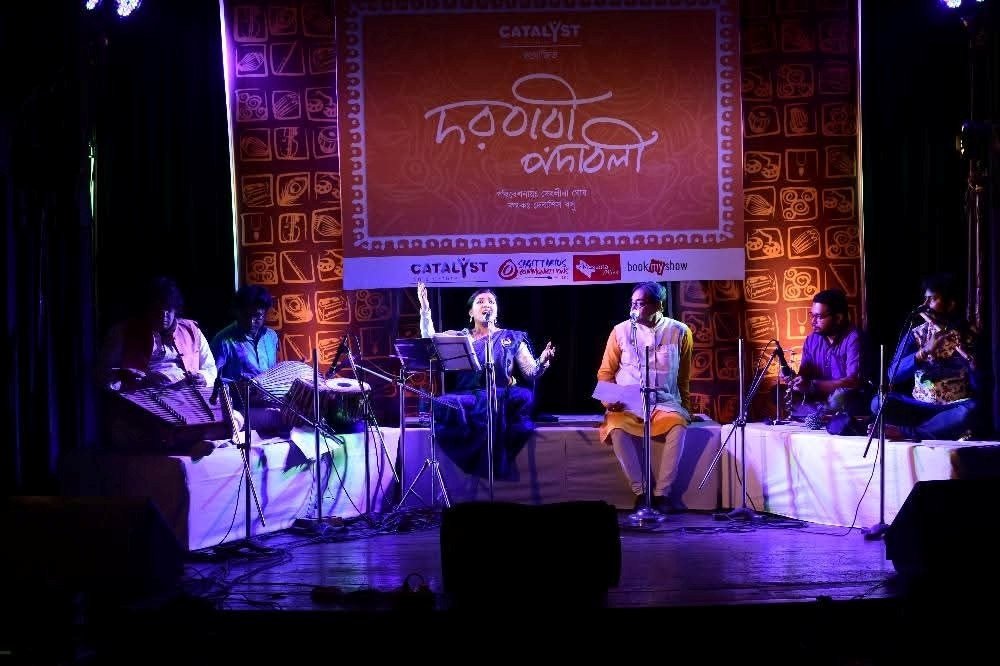
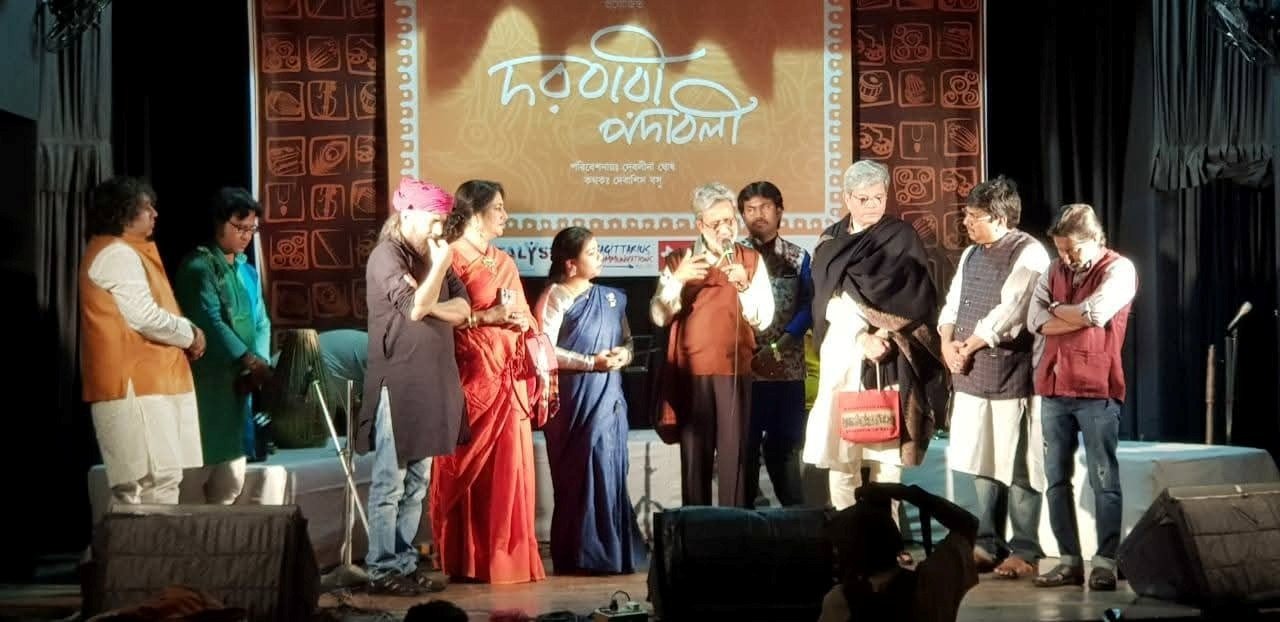
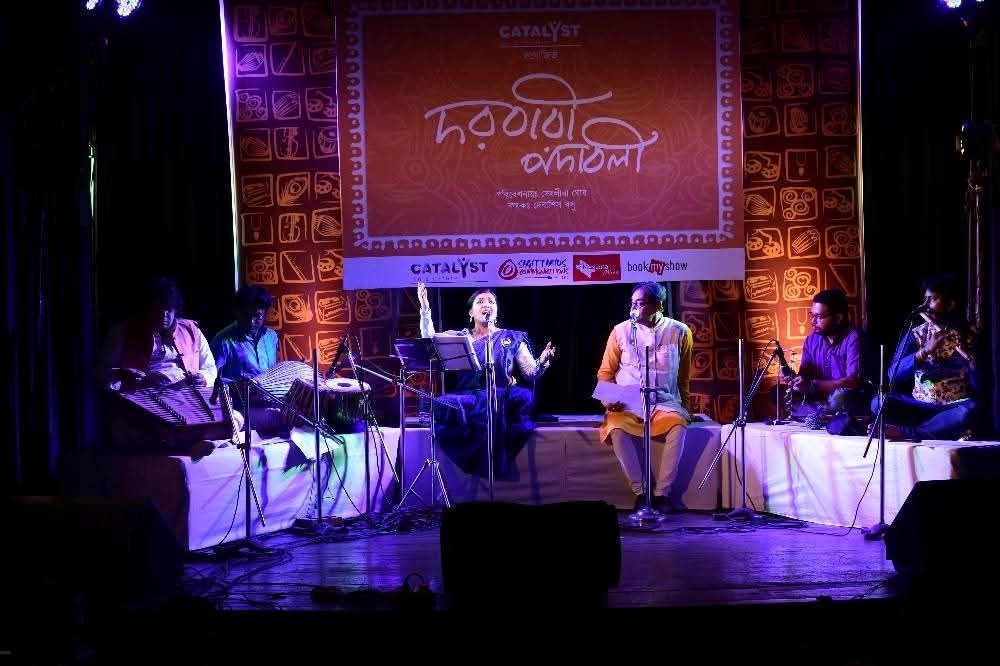
DARBAR - E - PADABALI


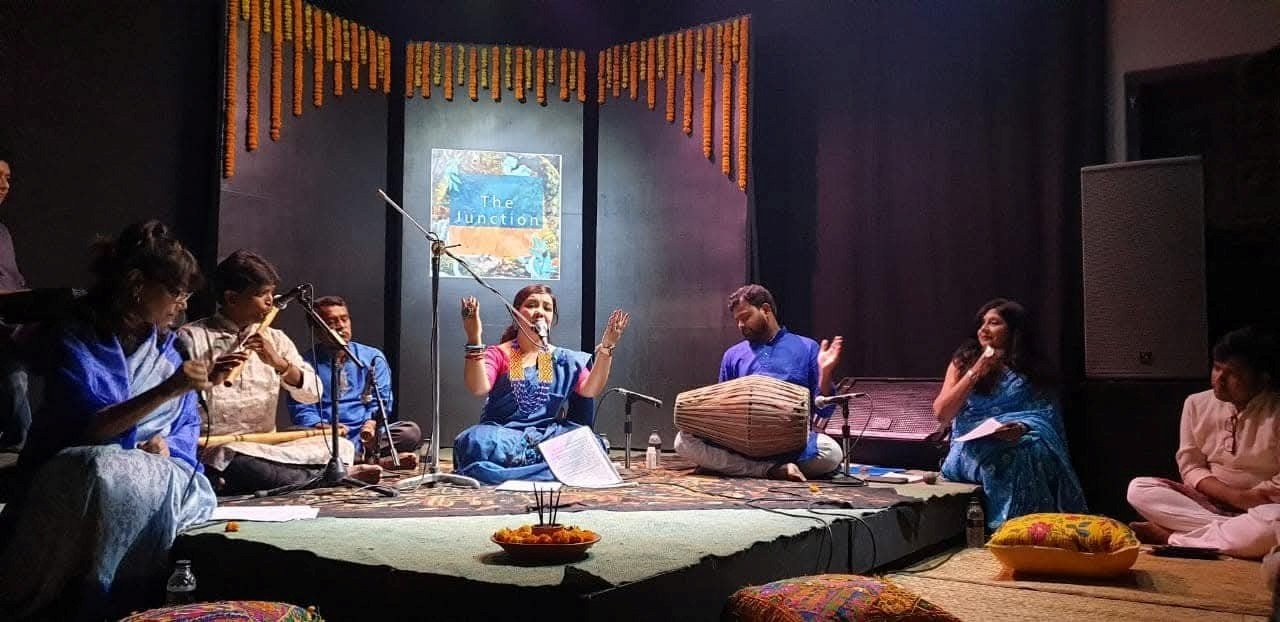
PREM BHAKTI
The philosophy of Gaudiya Vaishnavism reveals that the bond between God and the devotee mirrors the relationship between true lovers. In Bharata’s Natyashastra (2nd century BC–2nd century AD), the concept of Ashta-Nayika classifies the moods of the heroine (Nayika) and hero (Nayak), epitomized by Radha and Krishna in their divine lila. Similarly, Sufism describes The Seven Stages of Love—a spiritual journey of the soul toward divine union. Though emerging independently, both traditions express parallel paths of love, surrender, and transcendence.
These timeless literatures of love and devotion speak of peace, unity, and humanity. Womanity: Through the Language of Love weaves together these philosophies through Bengali Padabali Kirtan, Jayadeva’s Geet Govindam, Rabindranath Tagore’s Bhanusingher Padavali, and Sufi poetry by masters such as Hafiz, Rumi, Amir Khusrau, Kabir, and Ghalib. The project celebrates the harmony of diverse spiritual and musical traditions that have shaped our shared cultural consciousness.